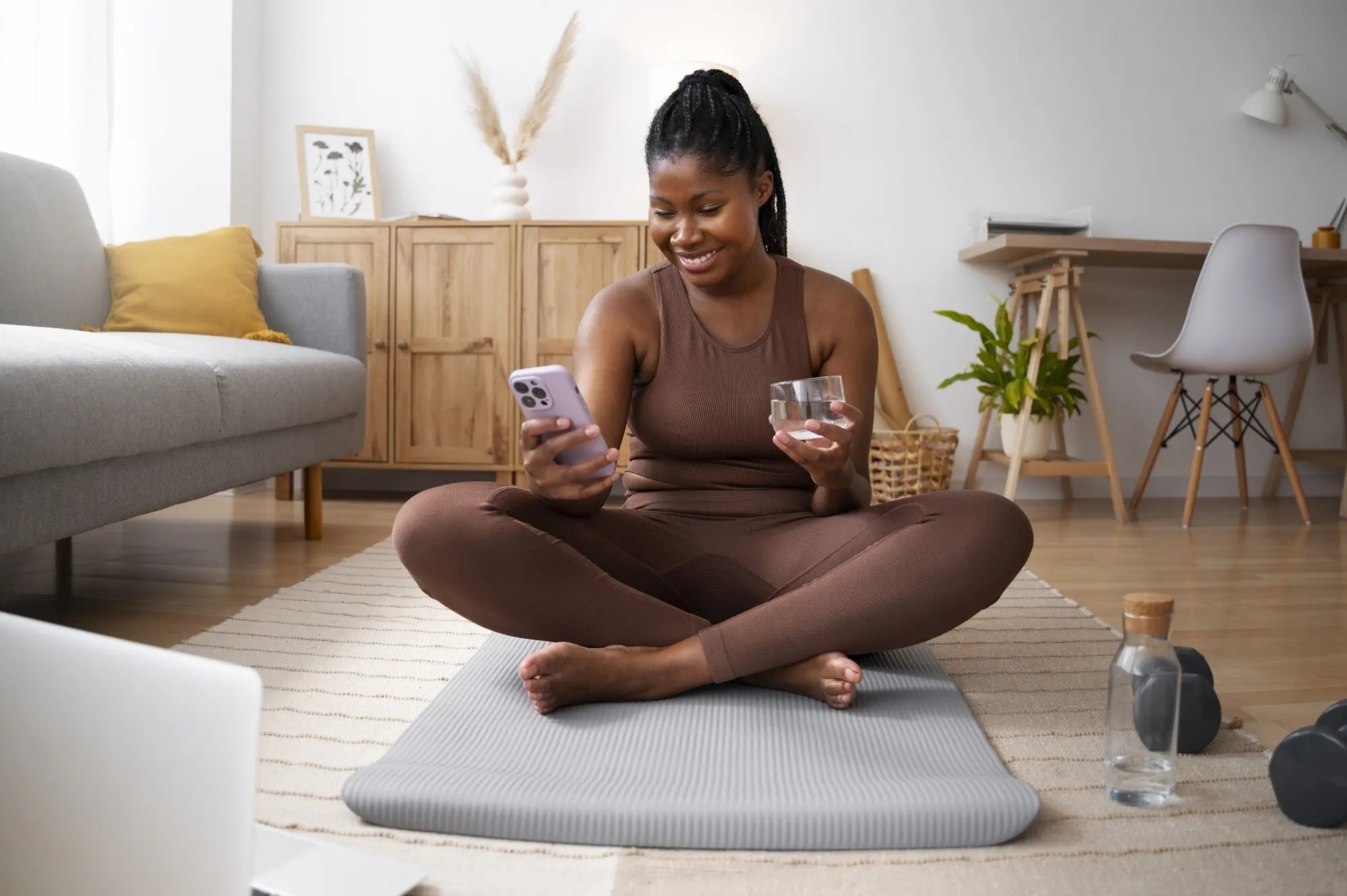
Calm That Fits in Your Pocket

Discover how Pocket Calm Kits—everyday items for instant grounding—turn anxious spikes into manageable moments. We’ll unpack science, simple tools, and micro-rituals you can carry anywhere, from commutes to meetings. Expect practical steps, playful ideas, and real stories, plus invitations to share, subscribe, and co-create a kinder daily rhythm together.

Why Small Objects Soothe Big Feelings

Grounding works by feeding your senses steady, predictable signals that tell your nervous system it is safe enough to settle. Textures, temperatures, scents, and simple focus cues recruit breath, posture, and attention, nudging the vagus nerve toward balance. In quick, portable ways, tiny objects become anchors, interrupting spirals, refueling presence, and restoring choice even when life gets loud.

Your nervous system’s safety switch

When a palm stone warms in your hand or fabric slides beneath your thumb, mechanoreceptors light up, signaling predictability. That predictability dampens threat detection, softens startle, and frees breath. Paired with a slow count, it becomes a lever you can reliably pull, again and again, without permission or special equipment.

The five-sense shortcut

By deliberately naming five things you can see, four you can touch, three you can hear, two you can smell, and one you can taste, you move from rumination to orientation. Your kit supplies prompts and props, streamlining this reset into a practiced, swift, compassionate routine anywhere.

Rituals that retrain the brain

Repeated, low-stakes calming actions teach your brain that relief is accessible. A single breath with a peppermint inhaler, a tumble of a fidget cube, or tracing a grounding card edge lays new associations, gradually shrinking panic’s territory and expanding your sense of agency in difficult minutes.

Assembling a Pocket Calm Kit That Fits Your Life

Start simple and personal. Choose objects you will actually reach for during a commute, meeting, class, or bedtime. Aim for varied sensations—cool, soft, textured, fragrant—and quick cues—visual, written, auditory. Keep weight minimal, containers friendly, and replacements easy. Let curiosity lead, then refine through gentle experiments and honest reflection.

Touch tools to hold and roll

A smooth worry stone, silicone putty, braided cord, or a fabric swatch offers immediate tactile feedback. Alternate pressure and movement, match strokes to breath counts, and notice temperature shifts. Your hands remember patterns faster than thoughts, letting calm arrive through action instead of argument.

Scent anchors that travel well

Essential oil inhalers, scented sachets, or tea bags in tiny tins provide discreet olfactory cues linked to comfort or clarity. Choose gentle, familiar scents, label containers, and test for sensitivity. A single intentional inhale can interrupt spirals, invite slower exhale, and restore grounded attention quickly.

Sight and sound cues for focus

A small kaleidoscope card, a loop of colored thread, mini chimes app, or a pocket metronome can gather scattered attention without demanding words. Pair a soft tone or repeating pattern with box breathing, then name three surroundings to complete orientation, nudging presence to the foreground.

Containers that invite reaching in
Pick shapes your hands love: rounded tins, soft pouches, magnetic cases that snap with satisfying ease. Color-code by function, add tactile stickers, and avoid noisy clasps. Make the first touch pleasant so your body says yes before your brain resumes worrying about everything else.

Contexts, rules, and quiet options

Prioritize items acceptable in classrooms, planes, courtrooms, and clinical spaces. Swap glass vials for inhalers, replace metal spinners with fabric loops, and prefer muted colors. Quietly effective tools respect both your needs and the environment, preserving calm while maintaining trust, privacy, and minimal disruption for others.

Refresh cycles that keep trust

Schedule tiny check-ins: wipe surfaces weekly, replace sachets monthly, rotate textures seasonally. Photograph contents to simplify resets after travel. Reliability builds belief; belief reduces hesitation; less hesitation means you reach faster, regulate sooner, and spend more time participating in the day you actually have.

From Overwhelm to Okay in Under Three Minutes

When urgency spikes, structure saves. Combine one object, one breath pattern, and one orientation cue. Practice during neutral moments so the sequence feels automatic during storms. These small, rehearsed flows honor real limits while reclaiming dignity, clarity, and momentum without lengthy explanations, meetings, or special spaces.

Real Pockets, Real Calm

Stories make practices believable. A badge reel saved a night shift, a lavender sachet steadied an exam, and a coin tin rescued a checkout line. These glimpses show how tiny, portable objects combine with kindness and breath to create timely steadiness anyone can learn and share.

Aesthetics that support regulation

Design choices matter. Soft palettes, friendly fonts on grounding cards, and textures that match your wardrobe reduce friction. When objects feel like you, they appear in your hand sooner. Beauty is not luxury here; it is a bridge your attention wants to cross repeatedly.

Neurodivergent-friendly options

Offer stims that satisfy without harm: chewable jewelry, textured rings, silent clickers, and weighted fabrics in miniature. Provide clear consent practices for shared spaces. Normalize movement, provide backups, and expect variability. The right tool is the one that supports participation today, not an abstract ideal tomorrow.